Source Window Washing Gondola for Hotels, Apartments, and Building Cranes
Compare 30 window washing gondola options from Tianjin suppliers featuring stainless steel and aluminum alloy construction. Buyers can evaluate rated loads up to 1000kg, lifting speeds, and customization availability for hotel, apartment, and building crane applications.
Key considerations
Products List
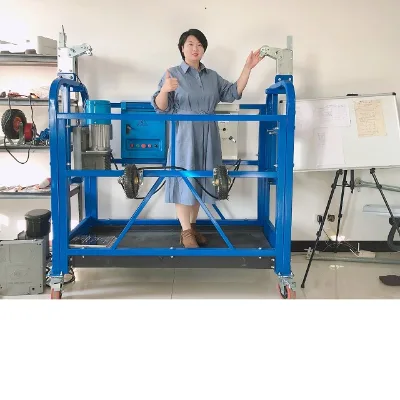
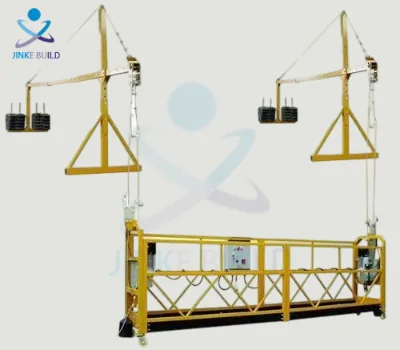


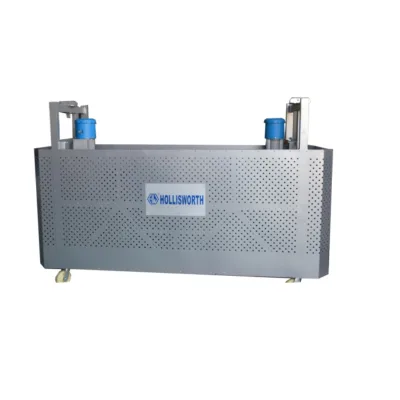
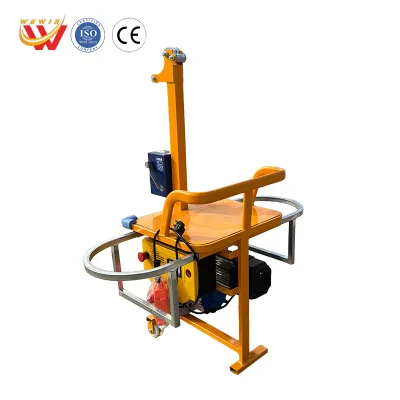




Comprehensive Sourcing Guide
Strategic Sourcing Guide for Window Washing Gondola Systems
Understanding Technical Specifications and Operational Capabilities
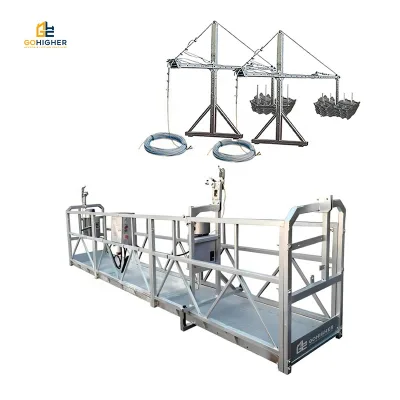
When sourcing window washing gondolas, often referred to as suspended platforms or building maintenance units, buyers must first establish a clear understanding of the technical specifications that define the equipment's suitability for specific projects. The core functionality of these systems relies on a combination of structural integrity, lifting mechanisms, and safety features. Based on available market data, the product line commonly designated by the model series ZLP (such as ZLP250, ZLP500, ZLP630, ZLP800, and ZLP1000) offers a range of rated loads. These models support capacities of 200, 500, 630, 800, and 1000 kilograms, allowing procurement teams to match the platform capacity to the weight of the workers, tools, and materials required for the job.
The physical dimensions of the platform are equally critical for operational efficiency. The length of the platform is typically customizable, with standard ranges extending from 1 meter up to 12 meters. This flexibility allows for the construction of gondolas that can span large window facades or be tailored for narrow architectural features. The platform itself is constructed from materials such as aluminum alloy and steel, often featuring a hot-dip galvanized and painted surface treatment to ensure resistance against corrosion and environmental wear. The standard platform dimensions observed in high-volume listings often include a width of approximately 0.69 meters and a height of 1.18 meters, providing a stable working surface for two to three personnel.
Lifting performance is another vital technical parameter. The lifting speed for these units is generally standardized at 9.3 meters per minute, with a tolerance of plus or minus 5 percent. This speed is balanced against the maximum lifting height, which can reach up to 300 meters in certain configurations, making these units suitable for high-rise building maintenance. The driving mechanism typically utilizes a rack and pinion system, ensuring precise control during vertical movement. The electrical requirements for operation usually involve a voltage range of 220 to 440 volts at 50 to 60 Hertz, operating on a three-phase power supply. The electrical cable specifications are often designed to support lengths of 0 to 200 meters, with a cross-section of (32.5+21.5mm2) to handle the power demands safely over extended distances.
Compliance, Certification, and Safety Standards
In the realm of suspended platform procurement, compliance with international safety standards is non-negotiable. Buyers must verify that the equipment carries recognized certifications before finalizing any purchase. The market data indicates that reputable manufacturers often provide products certified under ISO and CE standards. Some listings also reference TUV certification, which further validates the engineering and safety protocols of the machinery. These certifications are not merely administrative hurdles; they serve as evidence that the gondola has undergone rigorous testing for structural load, braking systems, and electrical safety.
The safety lock is a primary component that requires specific attention during the evaluation process. The observed safety lock specifications include models such as the LS 30, with a breaking strength ranging from 20 to 30 kilonewtons. This component is designed to arrest the platform's descent in the event of a cable failure or excessive speed, acting as a critical fail-safe mechanism. Buyers should confirm that the safety locks are compatible with the wire rope diameter, which is typically available in sizes ranging from 8.3mm to 10.2mm. The wire rope itself must be of high tensile strength to support the rated load and the dynamic forces generated during lifting operations.
Furthermore, the operational mode of the gondola should be verified. Most units operate in a "moving" mode, allowing for smooth vertical travel. However, the presence of an operate system that includes both electrical and manual controls is essential for emergency scenarios. In the event of a power failure, the ability to lower the platform manually ensures the safety of the occupants. The feature set often includes explosion-proof capabilities, which is a crucial consideration for projects involving chemical applications or environments with flammable gases. While the product name "ZLP" is a common industry designation, the specific model numbers (e.g., ZLP630) denote the specific load capacity, and buyers must ensure the selected model aligns with the project's safety regulations.
Cost Drivers and Pricing Variables
The pricing of window washing gondolas is influenced by a complex array of factors, making it difficult to cite a single universal price point. The observed price range in the current market spans from approximately $560.56 to $400,000 USD. This vast disparity is not indicative of quality differences alone but rather reflects the scope of the order, the level of customization, and the included components. A base unit with a standard rated load and minimal customization will sit at the lower end of this spectrum, while a fully integrated system with high-load capacity, extended platform length, and specialized safety features will command a premium price.
Several specific variables drive these costs. First, the material composition plays a significant role. Platforms constructed from high-grade aluminum alloy with hot-dip galvanization and specialized paint treatments incur higher material and processing costs compared to standard steel constructions. Second, the rated load capacity is a primary cost driver; units rated for 1000kg require heavier-duty motors, thicker wire ropes, and more robust safety locks than those rated for 250kg. Third, the length of the platform directly impacts the amount of material required and the complexity of the assembly. Custom lengths beyond standard configurations often require additional engineering and manufacturing time, increasing the unit price.
Logistics and delivery terms also contribute to the final cost. The standard terms of delivery observed include FOB (Free on Board), CIF (Cost, Insurance, and Freight), and CFR (Cost and Freight). The choice of Incoterm affects who bears the risk and cost of shipping, insurance, and customs clearance. Buyers must calculate the total landed cost, which includes the ex-works price, freight charges, insurance premiums, and any applicable import duties. Additionally, the minimum order quantity (MOQ) can influence the unit price. While some suppliers may offer single-item purchases, bulk orders often benefit from economies of scale, potentially lowering the per-unit cost. Buyers should also consider the warranty period, which is typically one year, and whether extended warranty options are available as an added cost.
Typical Applications and Project Suitability
Window washing gondolas are versatile tools designed for a wide range of building maintenance and construction applications. The primary application is for cleaning the exterior facades of high-rise buildings, including hotels, apartments, and commercial office towers. The ability to reach heights of up to 300 meters makes these units indispensable for modern urban architecture where traditional scaffolding is impractical or impossible to install. The platform size and load capacity allow for the transport of cleaning equipment, water tanks, and multiple workers simultaneously, significantly improving productivity compared to rope-access methods.
Beyond cleaning, these gondolas are frequently utilized for building inspection, maintenance, and repair tasks. The "Building Service" classification of these units highlights their role in general facility management. The robust construction and high-strength materials make them suitable for tasks such as window replacement, facade repair, and structural inspections. The customizable platform length allows for adaptation to various building geometries, including curved facades or buildings with irregular window patterns. In some cases, the units are also employed for construction activities, such as installing curtain walls or applying exterior coatings.
The application environment also dictates specific feature requirements. For instance, projects in coastal areas may require enhanced corrosion protection, such as hot-dip galvanization and specialized painting, to withstand salt spray. Similarly, projects involving electrical work or hazardous materials may necessitate explosion-proof features and specific electrical cable ratings. The "Project Solution Capability" offered by suppliers often includes online technical support and total project solutions, ensuring that the gondola system is integrated seamlessly into the broader maintenance workflow. Whether the application is for a single hotel or a large apartment complex, the flexibility of the ZLP series allows for tailored solutions that meet the unique demands of each site.
Supplier Evaluation and After-Sales Support
Selecting the right supplier is as critical as selecting the right equipment. Buyers should evaluate potential suppliers based on their product solution capabilities, after-sales service offerings, and brand reputation. While specific brand names like "JK" appear in market listings, the focus should remain on the supplier's ability to provide comprehensive support rather than just the equipment itself. Key indicators of a reliable supplier include the availability of onsite installation, onsite training, and onsite inspection services. These services ensure that the gondola is set up correctly and that the operators are fully trained to use the equipment safely.
The after-sales service portfolio is another vital metric. A supplier that offers free spare parts and comprehensive warranty coverage demonstrates confidence in their product quality. The standard warranty period observed is one year, but buyers should inquire about the terms for extended coverage and the availability of spare parts for long-term maintenance. The "High Standard" advantage noted in product descriptions suggests that some manufacturers adhere to rigorous quality control processes, which should be verified through site visits or third-party audits.
Furthermore, the supplier's customization capabilities are essential for projects with unique requirements. The ability to customize the platform length, color, and material composition indicates a flexible manufacturing process. Buyers should also assess the supplier's response time and technical support channels. Online technical support is a common offering, but the availability of local representatives or dedicated account managers can significantly enhance the procurement experience. The "Selling Units" being single items suggests that suppliers are willing to accommodate small orders, but buyers should verify if there are volume discounts or specific terms for larger projects.
Quality Control and Long-Term Procurement Considerations
Ensuring the long-term reliability of window washing gondolas requires a proactive approach to quality control and procurement planning. Buyers must verify that the manufacturing process adheres to the stated standards, such as the use of steel and aluminum alloy materials with appropriate surface treatments. The surface treatment, which includes painting and hot-dip galvanization, is crucial for preventing rust and extending the lifespan of the equipment, especially in harsh environmental conditions. Regular inspections of the wire rope, safety locks, and electrical systems are necessary to maintain operational safety.
Long-term procurement considerations also involve the lifecycle management of the equipment. Buyers should plan for regular maintenance schedules and the availability of replacement parts. The "High Strength" and "Foldable" attributes of the gondola suggest designs that prioritize durability and storage efficiency. However, the foldable nature may require specific handling procedures to prevent damage during transport and storage. The "Traditional" design style indicates a proven, reliable engineering approach, but buyers should still verify that the design incorporates the latest safety innovations.
Finally, buyers should consider the total cost of ownership, which includes not only the initial purchase price but also maintenance, repairs, and potential downtime costs. A supplier that offers a complete project solution, including technical support and training, can help mitigate these risks. By focusing on suppliers with a track record of high standards and comprehensive after-sales support, buyers can ensure that their window washing gondola systems remain safe, efficient, and reliable throughout their operational life. The observed range of certifications, including ISO, CE, and TUV, provides a baseline for quality, but ongoing verification and adherence to safety protocols remain the responsibility of the end-user.
FAQs
What is the rated load capacity for ZLP window washing gondolas?
Rated load capacities range from 200 to 1000 kilograms depending on the specific model selected. Buyers can choose units rated for 250, 500, 630, 800, or 1000 kilograms to match their project weight requirements.
How high can the platform lift during operation?
The maximum lifting height can reach up to 300 meters in certain configurations. The standard wire rope height typically supports operations between 0 and 200 meters for most common setups.
Which certifications are available for these suspended platforms?
Products are commonly certified under ISO, CE, and TUV standards. These certifications validate that the equipment meets international safety and engineering protocols for structural load and braking systems.
Can the platform length be customized for specific buildings?
Yes, the platform length is customizable and typically ranges from 1 meter to 12 meters. This flexibility allows the gondola to be tailored for various building geometries and facade widths.
What material is used for the platform construction?
The platform is constructed from aluminum alloy and steel with hot-dip galvanization and painting. This combination ensures high strength and resistance against corrosion for long-term durability.
What after-sale services are provided by suppliers?
Suppliers offer onsite installation, onsite training, onsite inspection, and free spare parts. These services ensure proper setup and operator safety throughout the warranty period of one year.
What is the standard lifting speed for the gondola?
The standard lifting speed is 9.3 meters per minute with a tolerance of plus or minus 5 percent. This speed balances operational efficiency with safety for high-rise building maintenance.